IL SECONDO PRINCIPIO DI HANS LIEBSCHNER
The Second Principle of Hans Liebschner
Written and directed by Stefano P. Testa
Documentary, Italy, 2020, 88′
Cinematography: Andrea Zanoli
Editing: Stefano P. Testa
Sound Design: Alberto Ricca
Sound Mix: Nicola Gualandris
Music: Sonars, The Honolulu, Luca Severino
Producer: Andrea Zanoli
Production / Distribution: Lab 80 film
Screenings
Filmmaker
Milano, Italy, 2020 / Prospettive Jury Award
Bergamo Film Meeting
Bergamo, Italy, 2021
Outer Docs
Ithaca, NY, 2021 / Best Documentary Feature
Film Festival del Garda
San Felice del Benaco, Italy, 2021
Lucca Film Festival
Lucca, Italy, 2021
Documentaria
Palermo, Italy, 2021 / Audience Award, Best Editing Award
Linea d’Ombra Festival
Salerno, Italy, 2021 / Popular Jury Award
Golden Tree International Documentary Film Festival
Paris, France, 2021
Lo Schermo Bianco
Bergamo, Italy, 2022
UnArchive – Found Footage Fest
Rome, Italy, 2022
Fuorinorma
Rome, Italy, 2022
Racconto di due città
Bergamo, Italy, 2023
Cinema Docet
Bergamo, Italy, 2023
Prodotti locali
Bergamo, Italy, 2024
Università Roma Tre
Rome, Italy, 2026
Reviews
● Cinemaitaliano.info
● Ingenerecinema.com
● Silenzioinsala.com
● Cinematografo.it
● Bookciakmagazine.it
Synopsis
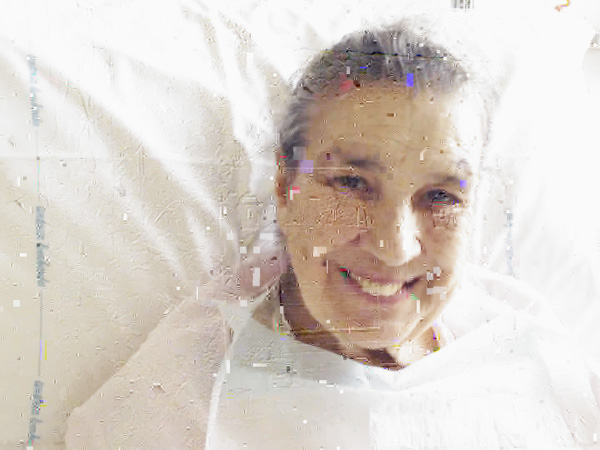
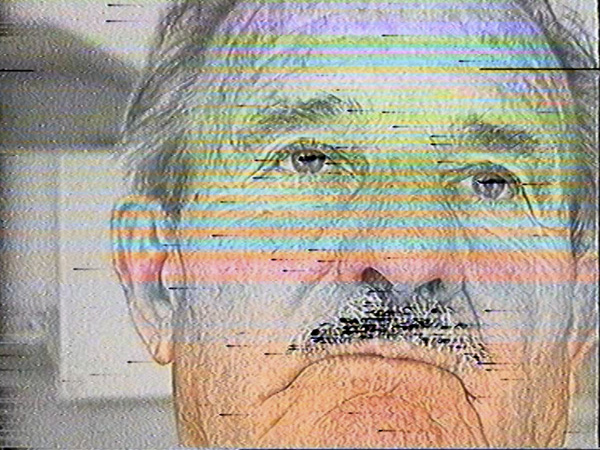
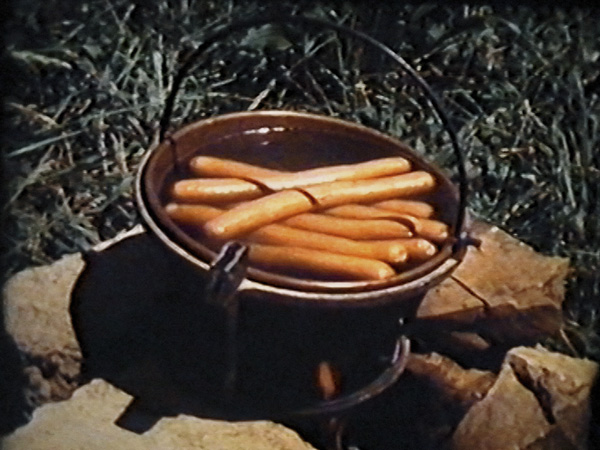
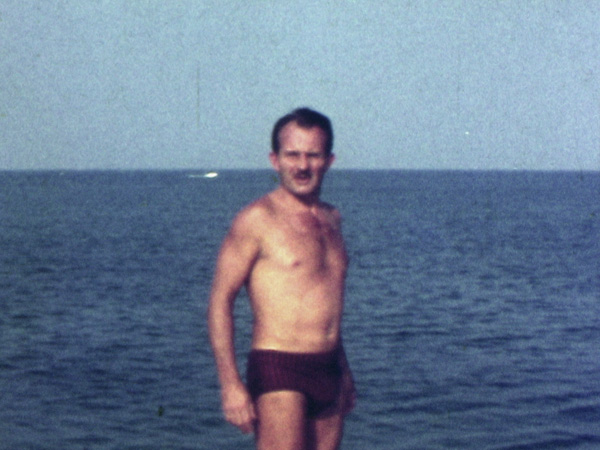
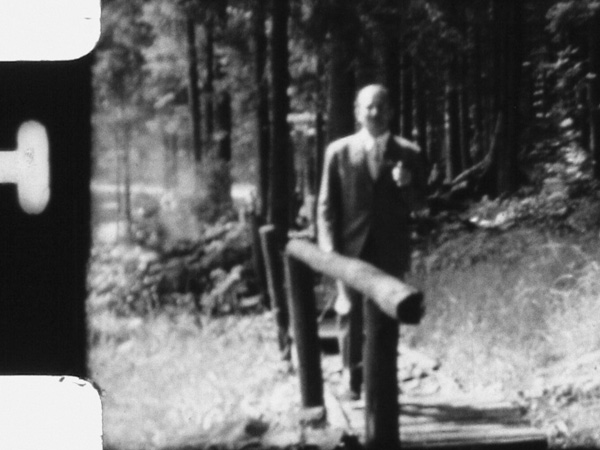
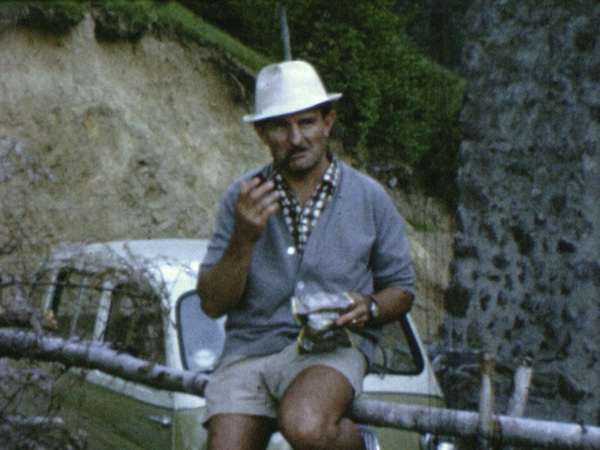
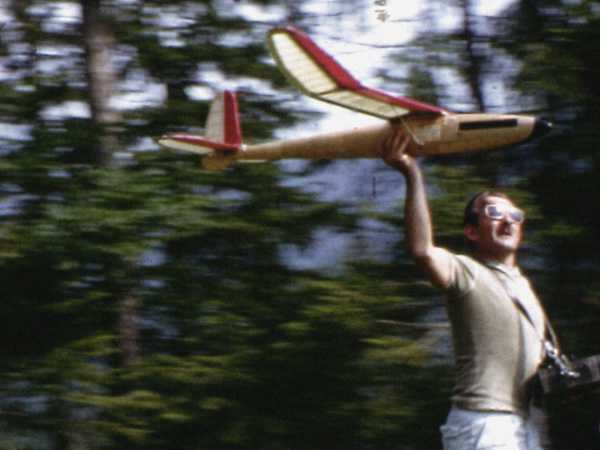
Johannes “Hans” Liebschner filmed his life from 1963 to 2012. Born in 1927, he came to Italy due to the war and stayed after falling in love with Iole, a young Italian girl from Bergamo, with whom he had five boys. In fifty years of amateur filming, Hans creates the intimate story of a united and happy family, although in 2013, the year of his death, his films ended up for sale in a second-hand market. Who was to get rid of those precious memories? His sons Klaus and Peter try to solve this mystery, retracing the story of a family that goes through social and cultural changes, recorded through the technological and expressive evolution of home movies.
Director’s note
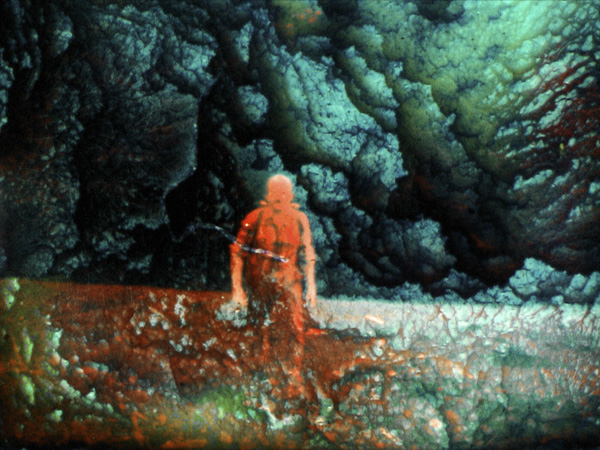
How can more than 100 hours of recordings be summarised in less than 100 minutes? What is worth keeping? What is worth overlooking? After working for several years with home recordings, I realised that the more personal an image is, the more universally understandable and shared it can be. The audience needs unexpectedly personal images to associate them with their own memories and emotionally identify themselves within the stranger on the screen. In my opinion, this is the real strength of home recordings. Archived home recordings are not only a postcard from the past sent by a stranger, but they can become a representation of a personal and idealised world closely linked to personal memories. At times, relationships between humans fracture and memories do not always help to keep them. Memories are therefore damaged, like a film tape is damaged by mould or like a demagnetised videotape of abstract lines and white noise. Like tapes in a box, they are stored in a basement at the mercy of corrosion. A misplaced picture is not lost forever. There are times when they can come back unexpectedly. It can also bring back remorse and regrets or a new enthusiasm. Who got rid of what was most precious for Hans? The answer to this question isn’t what interests me however. This thoughtless act has a fortuitous outcome and has triggered a series of events that will lead to the conclusion of the film that Hans began more than 60 years ago.