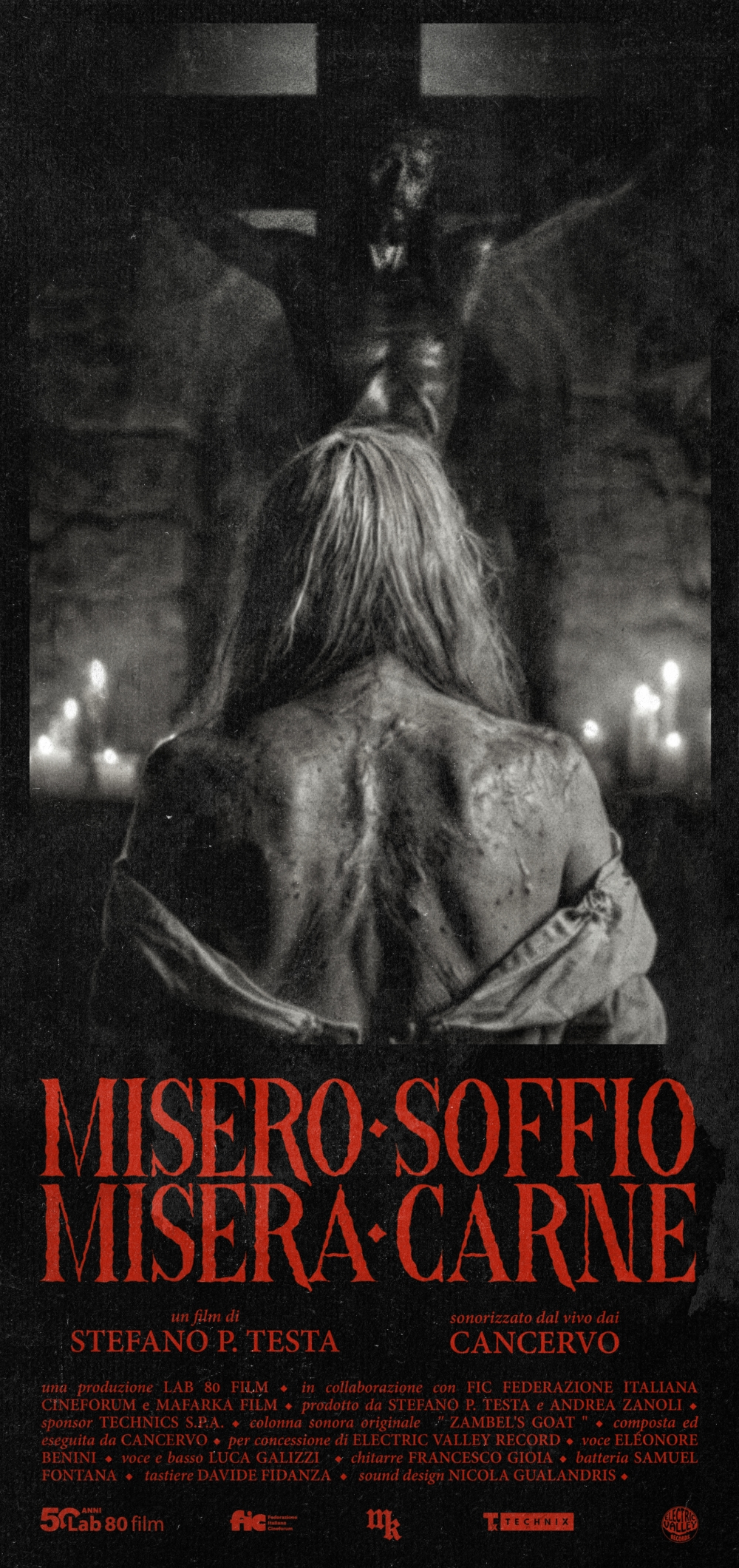
MISERO SOFFIO MISERA CARNE
Miserable Breath Miserable Flesh
Written and directed by Stefano P. Testa
AI Short, Italy, 2026, 17′
Music by: Cancervo
Production: Lab 80 film
In collaboration with: FIC Federazione Italiana Cineforum, Mafarka Film
Screenings
CULT! Auditorium
Bergamo, Italy, 2026
Bucharest AI Film Festival
Bucharest, Romania, 2026 / Golden Noise Award
Busan International AI Short Film Awards
Busan, South Korea, 2026 / Best AI Film
OMNI 1.5 “Hyperphantasia”
Sydney, Australia, 2026
AI Film Festival Tirana
Tirana, Albania, 2026
Seattle AI Film Festival
Seattle, USA, 2026
Il Grande Sentiero
Bergamo, Italy, 2026
AI Film 3 – Arizona AI Film and Art Festival
Phoenix, Arizona, USA, 2026
Torino Underground Cinefest
Torino, Italy, 2026
Burano AI Film festival
Venezia, Italy, 2026
Festival del Cinema di Castel Volturno
Castel Volturno, Italy, 2026
Cenere Film Fest
Udine, Italy, 2026
Sacalacalaca
San Andrés Ahuayucan, Xochimilco, Mexico
Trieste Science+Fiction Festival
Trieste, Italy, 2026


Synopsis
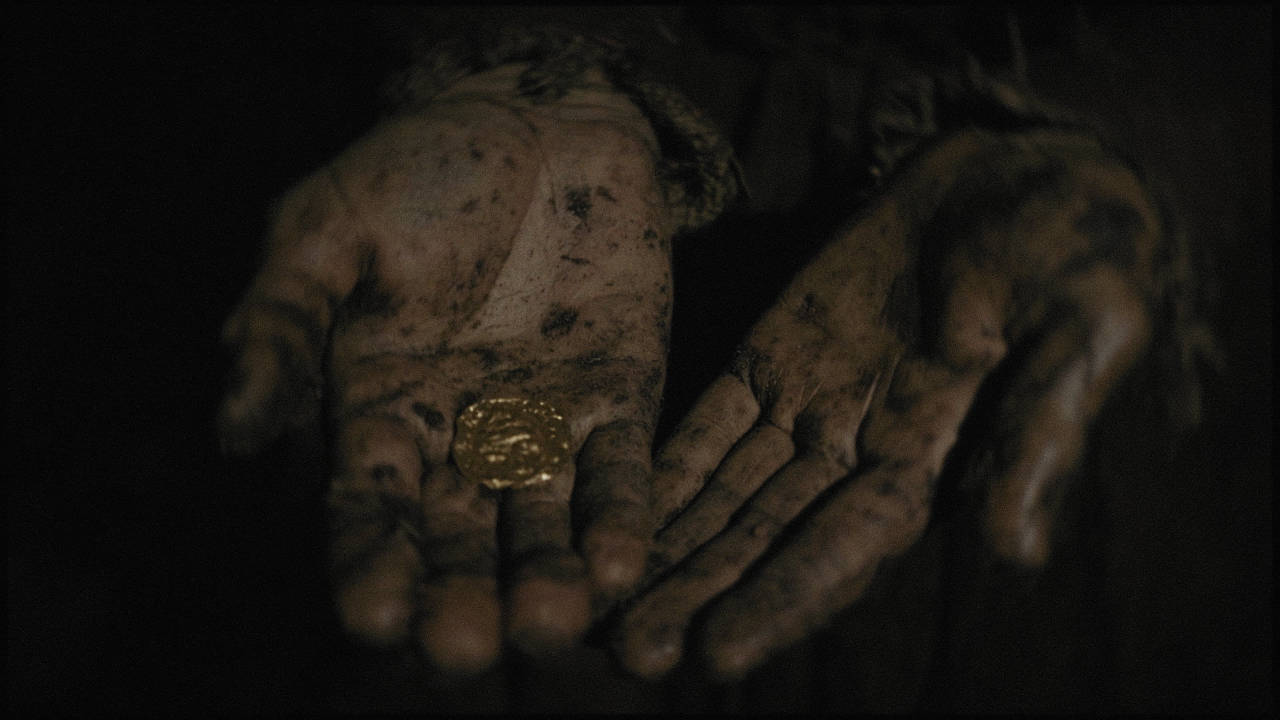
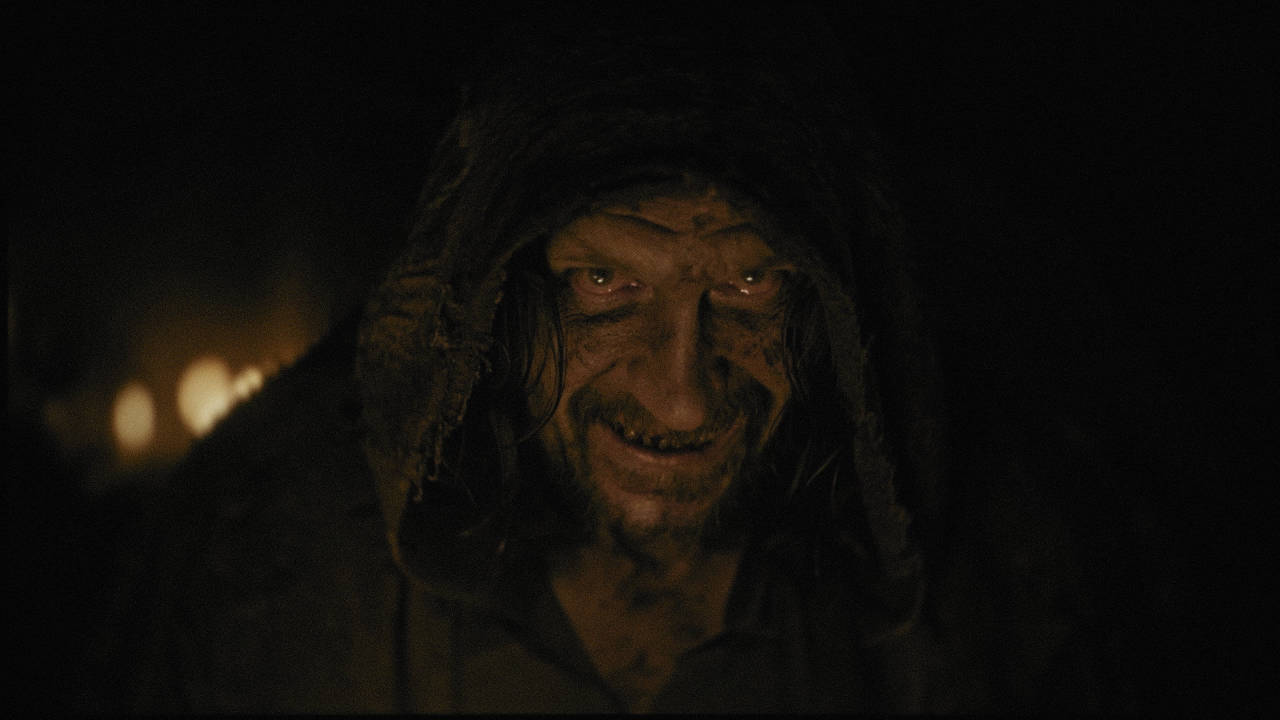
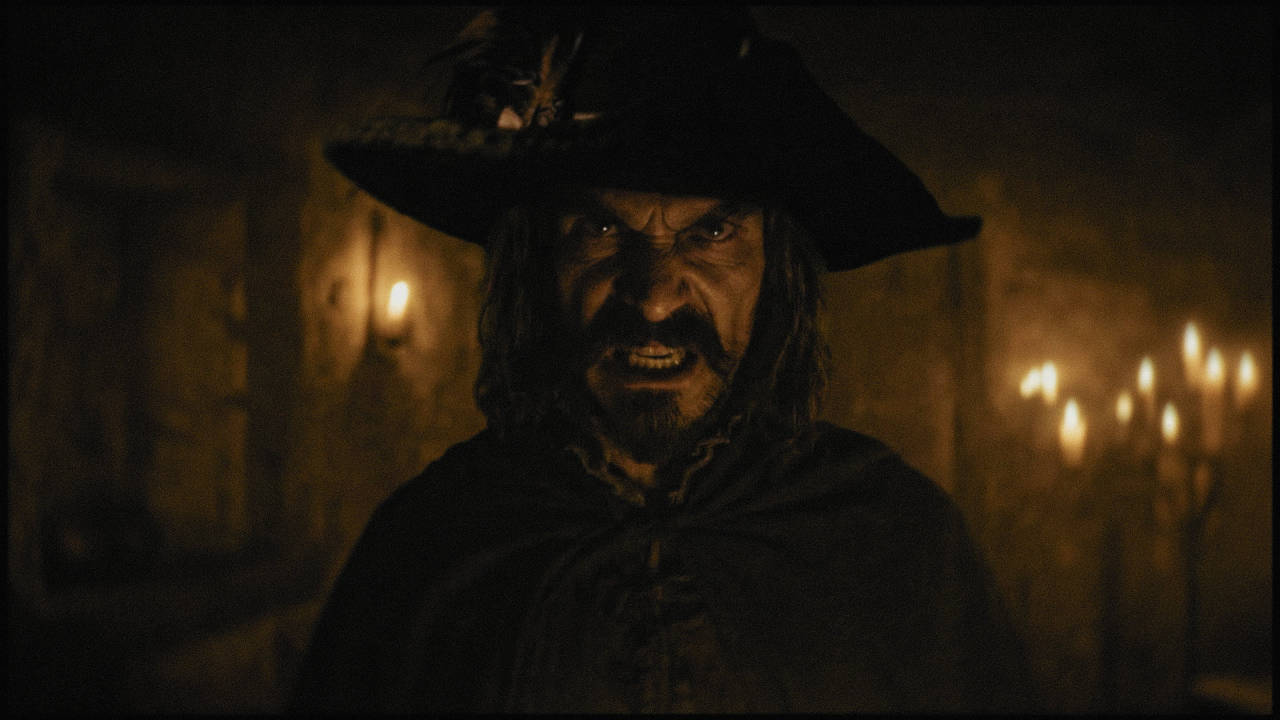
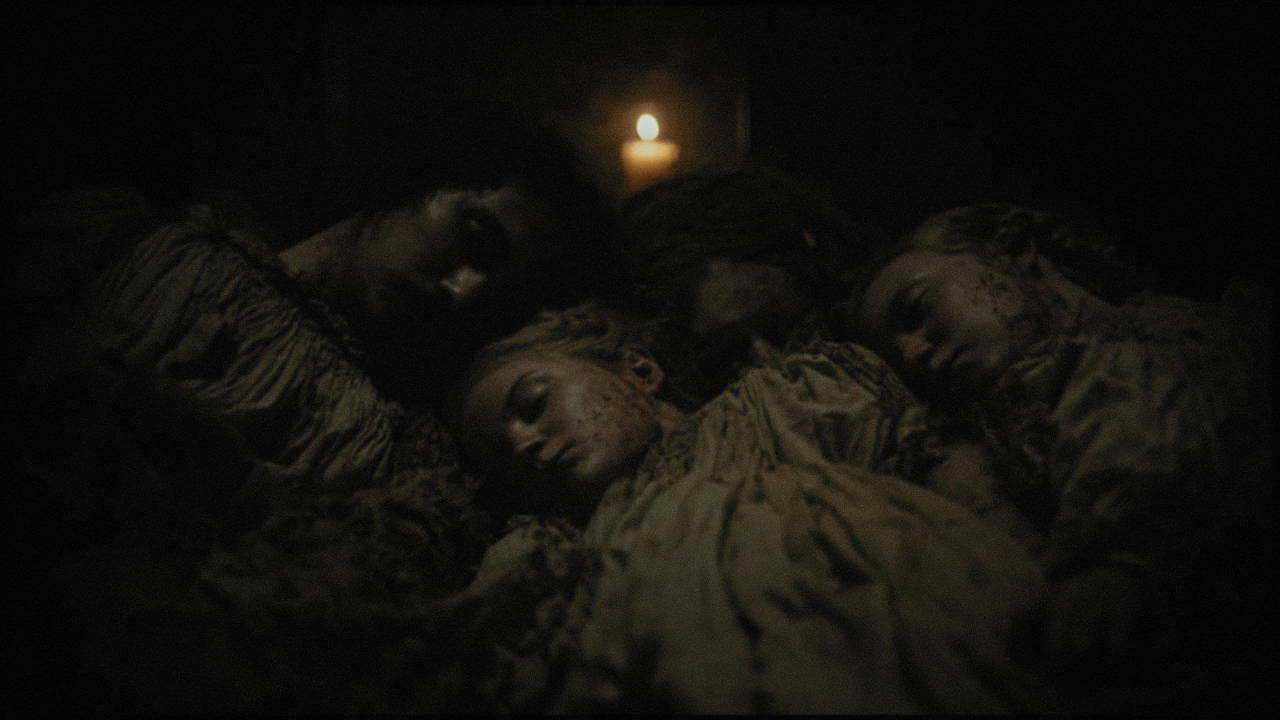
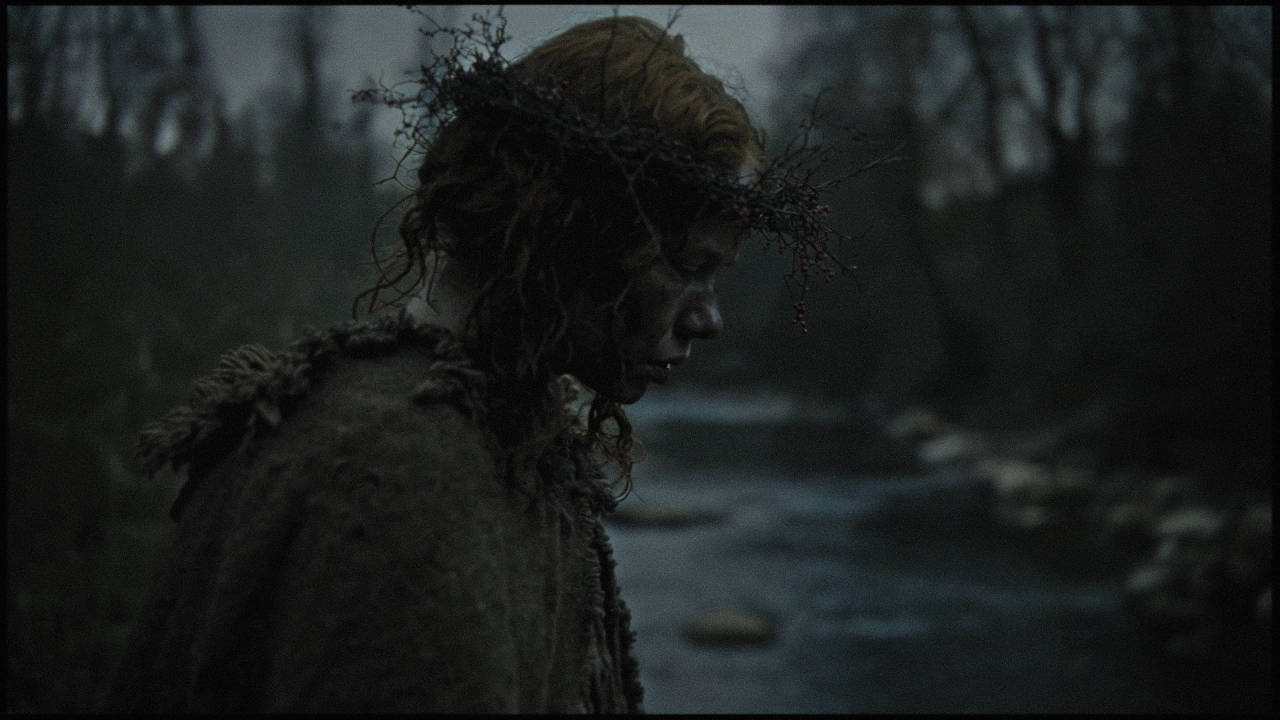
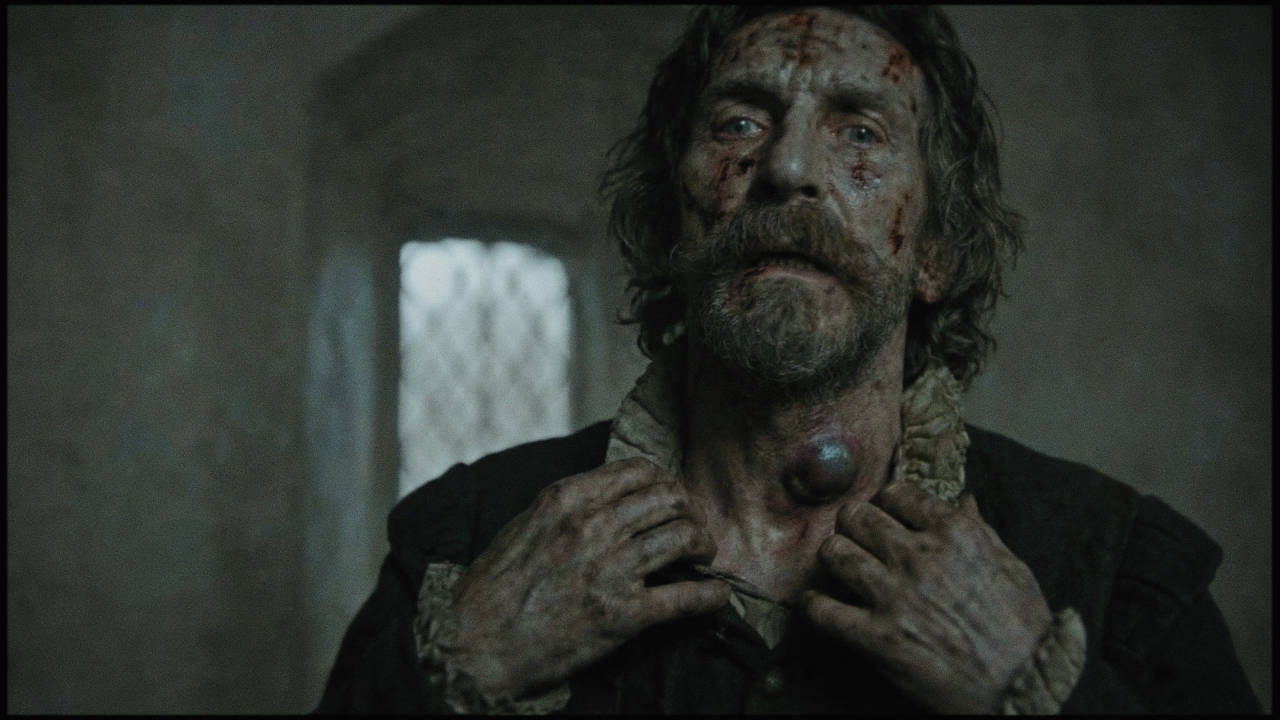
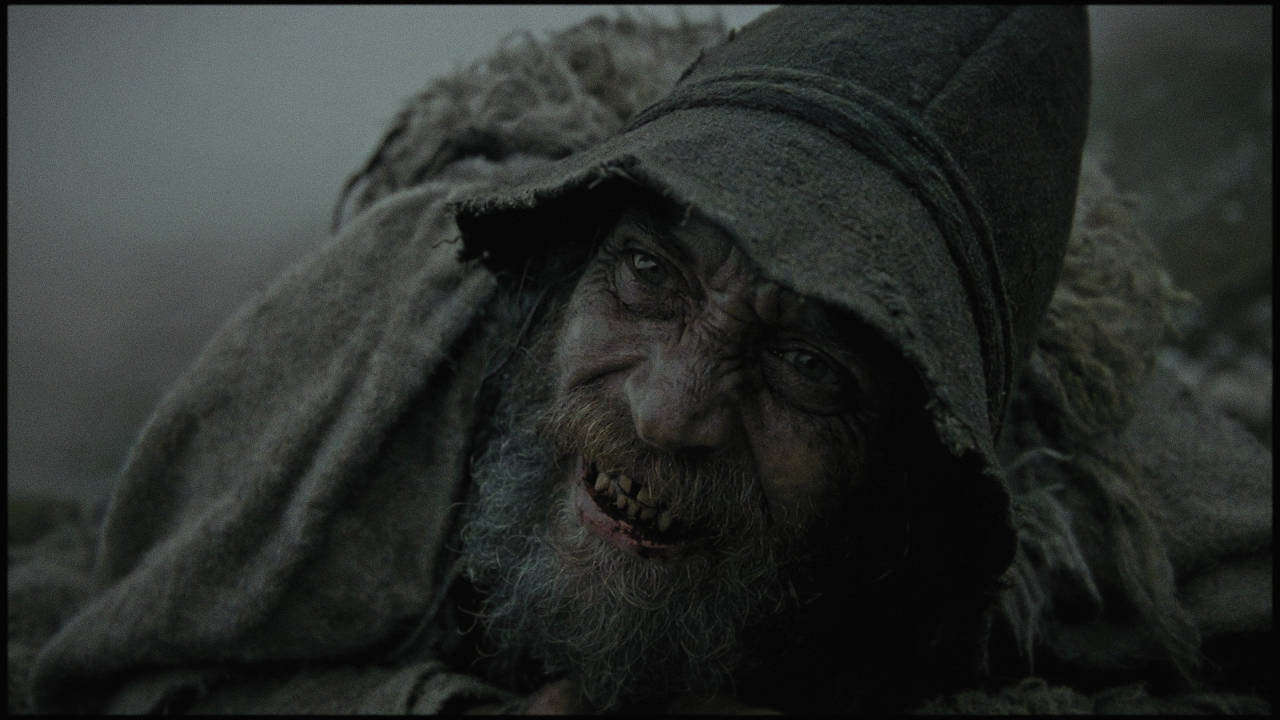
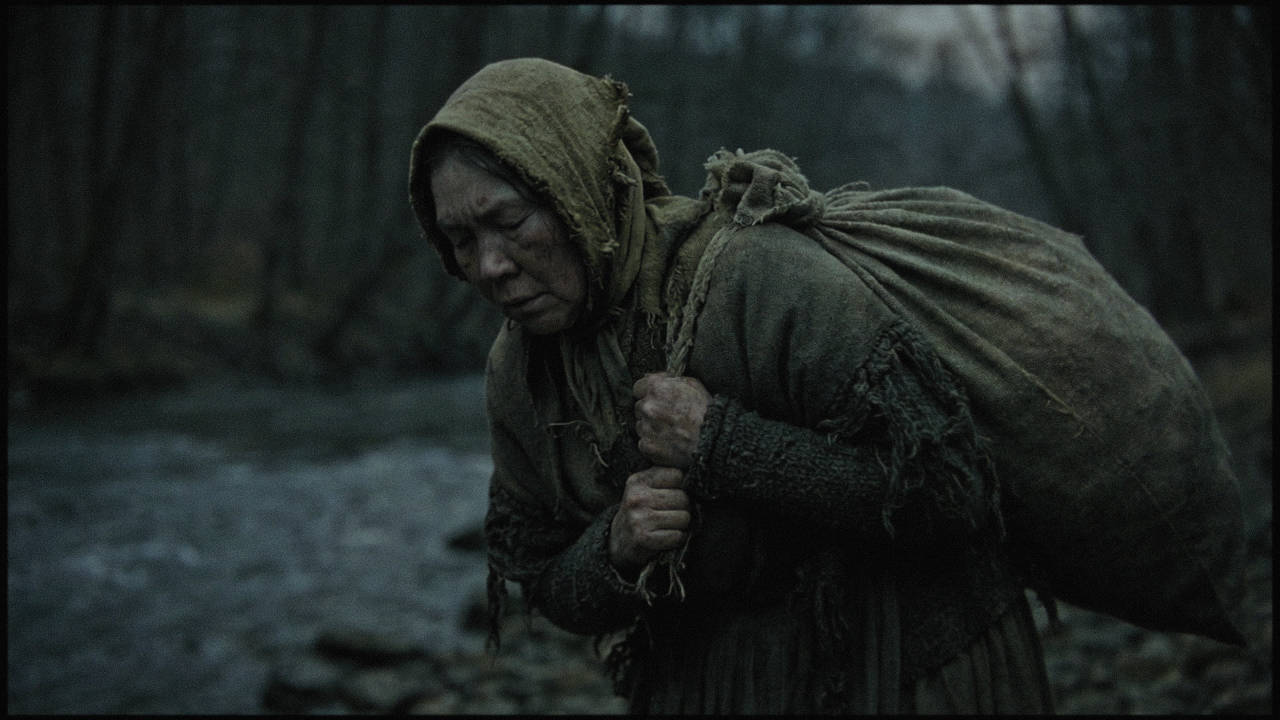
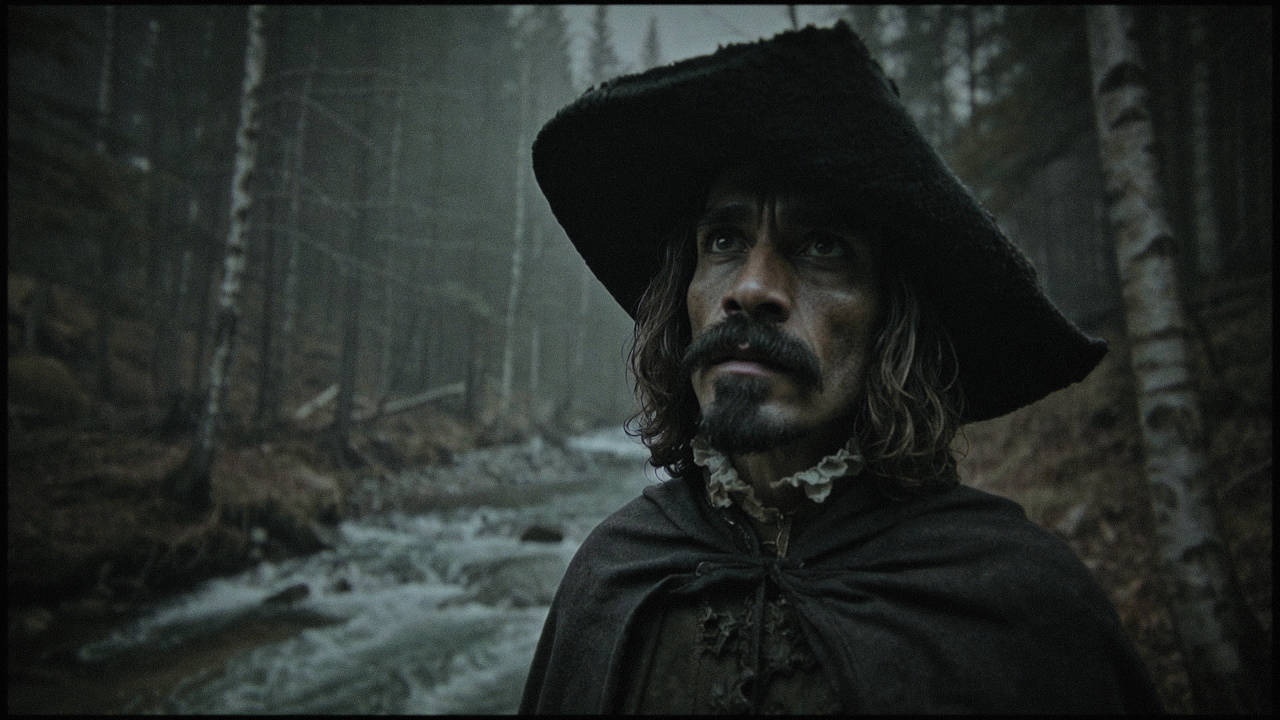
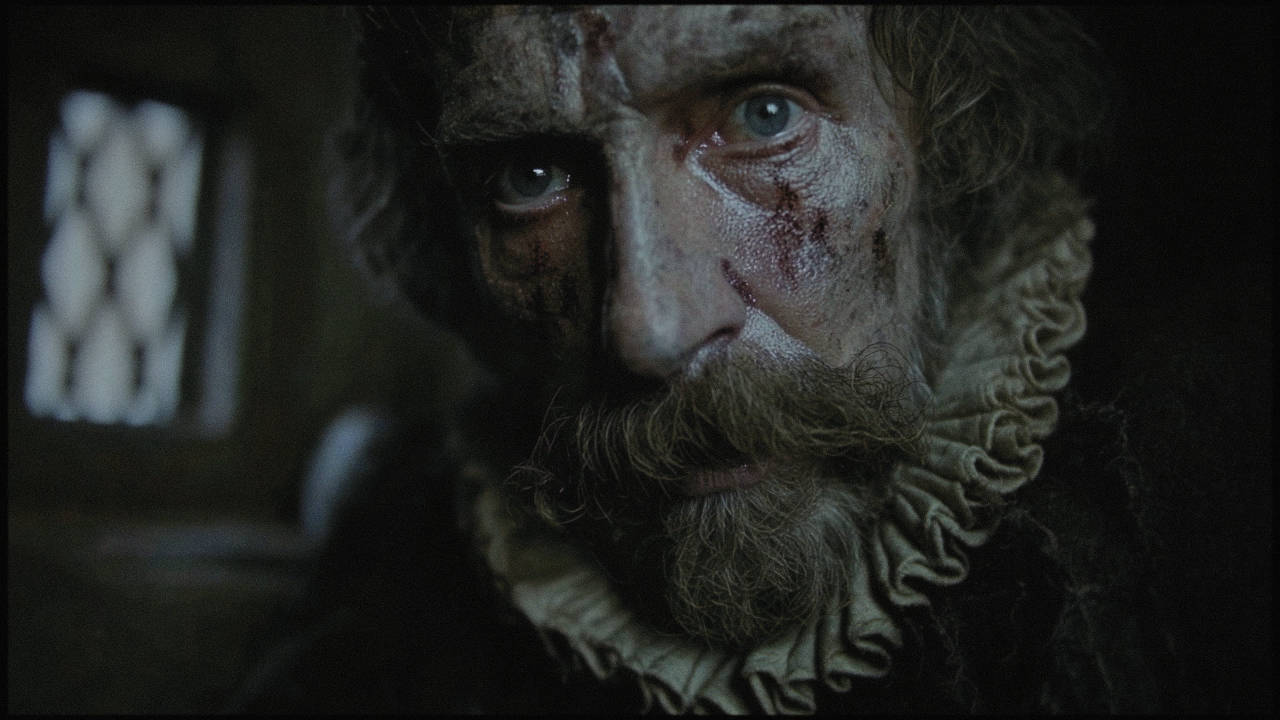
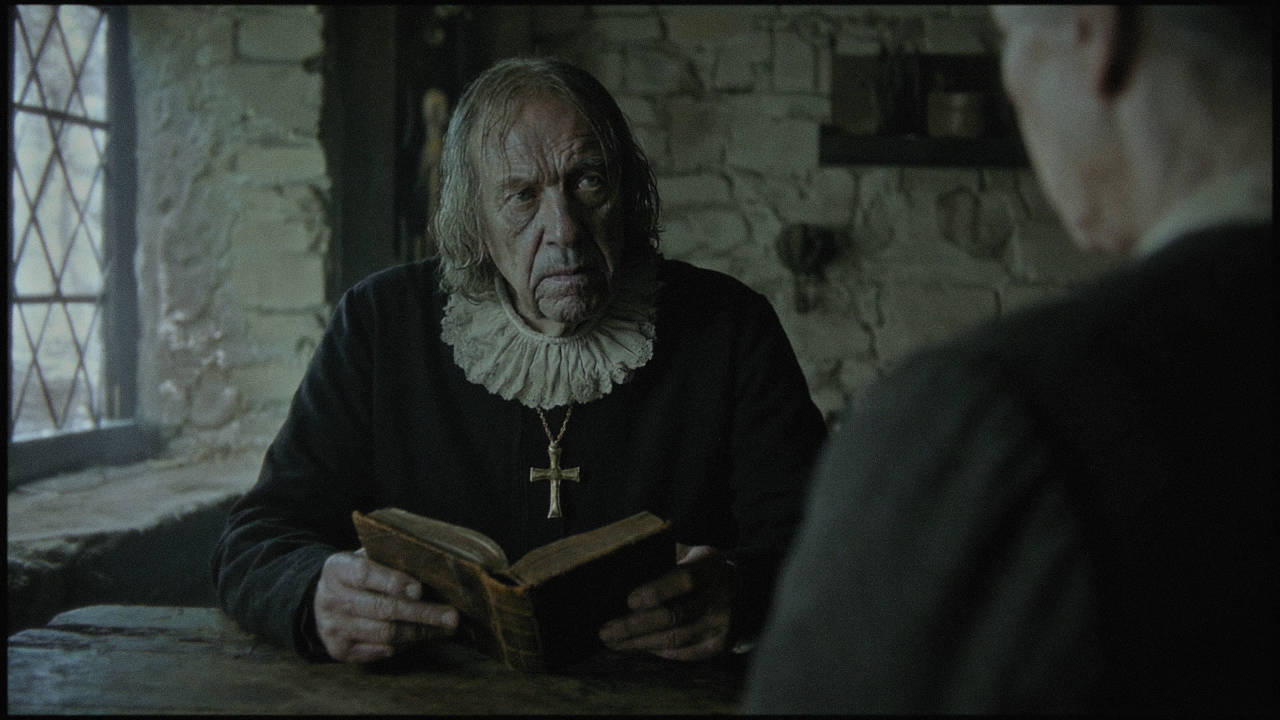
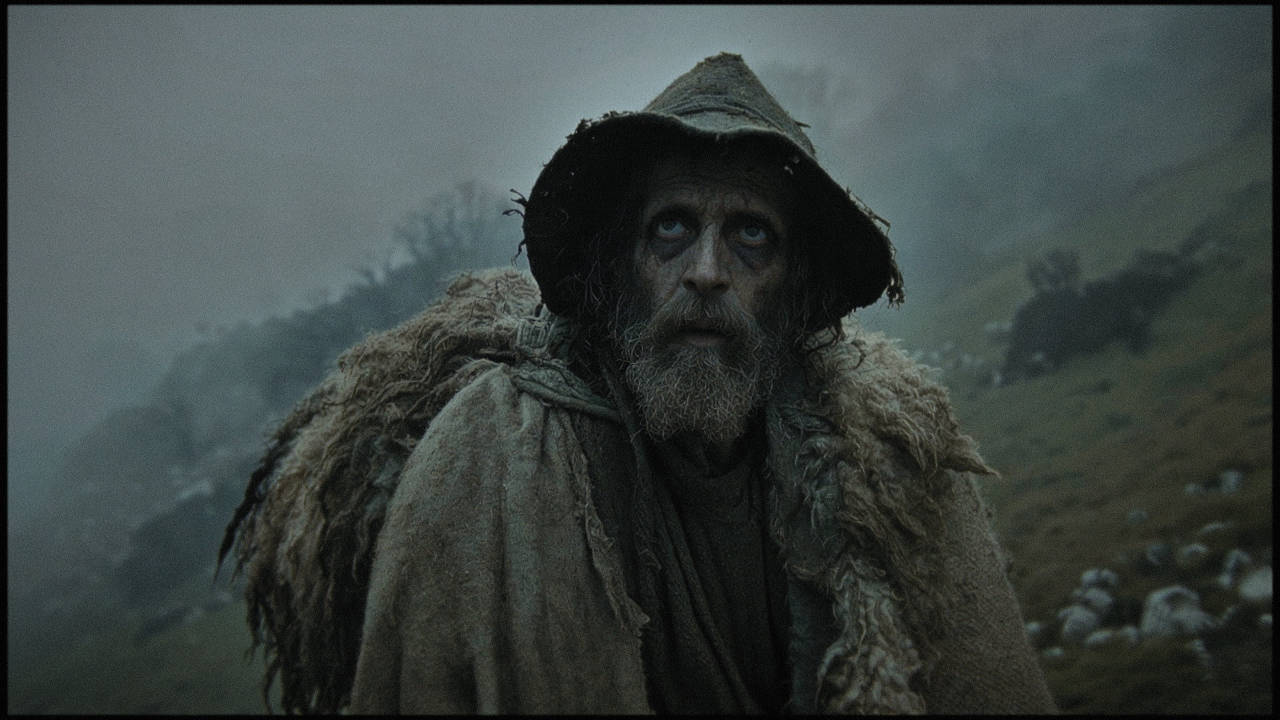
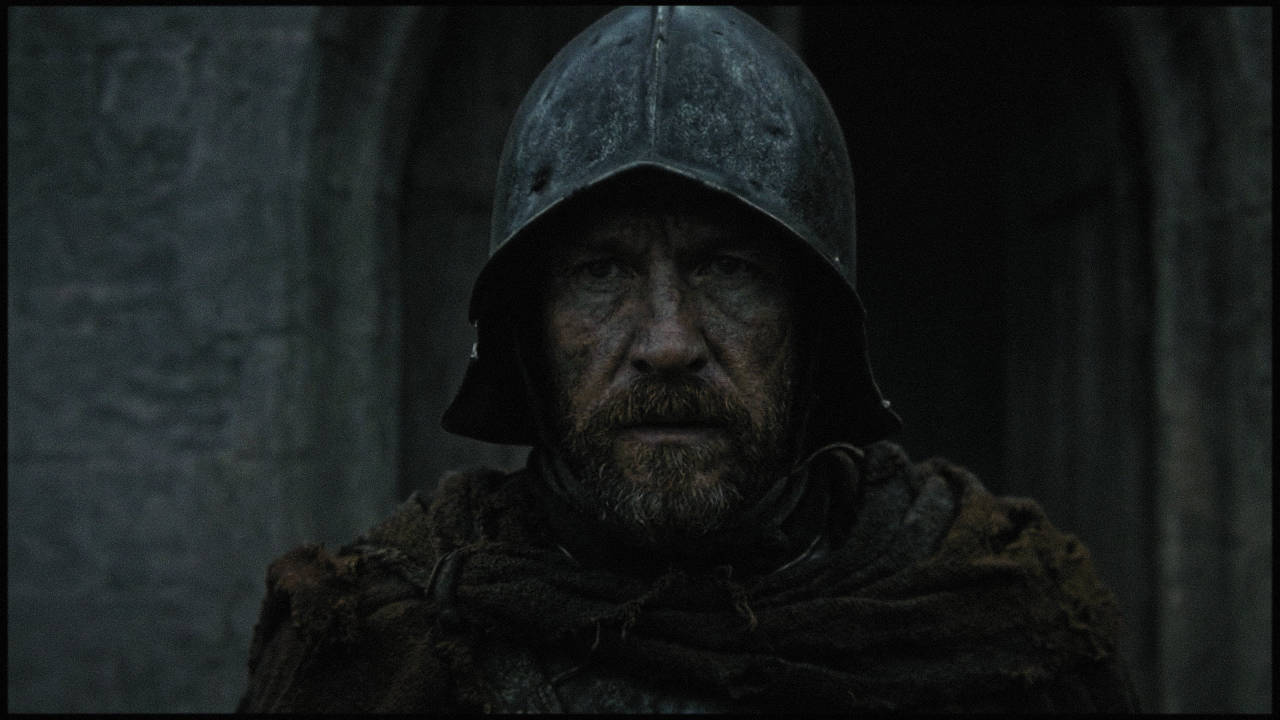
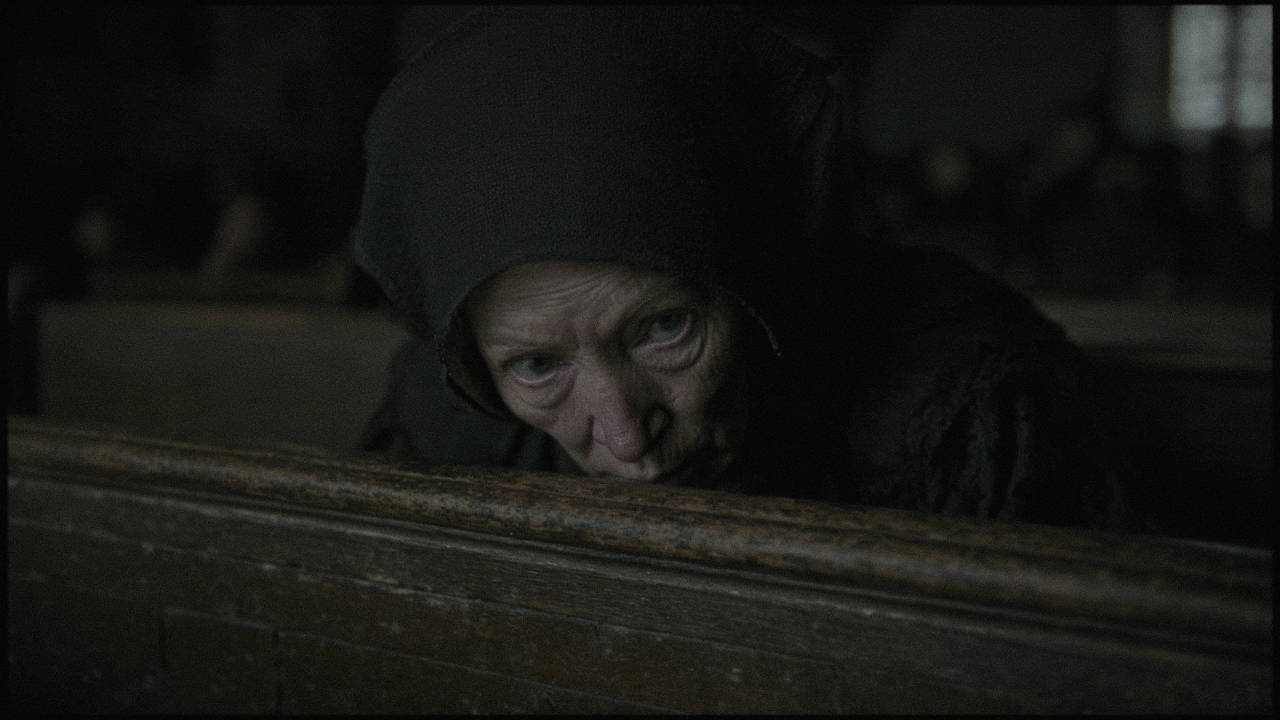
Bergamo Alps, 1630. The arrival of the plague in a small village shatters every fragile balance. The disease takes hold of bodies, homes, and relationships, slowly turning the community into a sick organism ruled by fear and suspicion. Without dialogue, through symbolic images and repeated gestures, the film observes the disintegration of a world in which every bond begins to crack and nature remains indifferent to human suffering. The characters, suspended between presence and emptiness, seem to inhabit an uncertain threshold between body and simulacrum, deepening the sense of a humanity already consumed from within. Miserable Breath Miserable Flesh is a dark and timeless portrait of the fragility of existence and of the violence that emerges when every order begins to collapse.
Director’s note
Miserable Breath Miserable Flesh stems from the desire to depict recurring patterns in human experience: the transformation of fear into violence, of faith into guilt, of community into a place of oppression. The film is grounded in historical research based on chronicles, religious texts, and local testimonies from the seventeenth century. Among its main sources, Il memorando contagio seguito in Bergamo l’anno 1630 by Lorenzo Ghirardelli offered an essential key to understanding the plague as a daily experience, a widespread fear, and a form of normalized violence. The images, created through generative artificial intelligence tools, emerge from a process of writing and formal control in which narrative, composition, setting, light, gesture, and rhythm are defined before generation. The directing approach was primarily aimed at reducing as much as possible the influence of uncontrollable variables and the automatisms inherent in generative tools. The synthetic nature of faces and bodies is not concealed: the characters are marked by an incomplete presence, by a suspended vitality, and it is precisely this quality that makes them suited to a drama about transience, the vanity of existence, and human fragility. They appear as worn, emptied figures, already poised on the threshold between body and relic, between person and simulacrum. This creates an effect that would be difficult to achieve in the same way through a physically embodied performance. Starting from images deprived of material substance, the work sought to restore density, weight, and a filmic sense of presence. The synthetic origin of the images thus establishes a mournful and unsettling distance between the viewer and the simulacrum.
Reviews
● Busan International AI Short Film Awards & Showcase